The Hoxton Madrid on Plaza de Santa Ana: What to Expect from the 2026 Opening
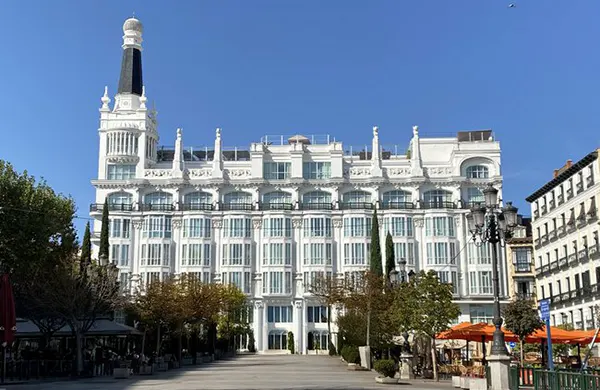
El mercado hotelero de Madrid continúa expandiéndose en 2026, pero pocas próximas aperturas han despertado tanta atención como The Hoxton Madrid, situado en la plaza de Santa Ana. La marca hotelera británica, conocida por combinar diseño contemporáneo con una propuesta centrada en la vida del barrio, ha elegido uno de los distritos más reconocibles de la capital española para su nuevo establecimiento. Ubicado a poca distancia a pie de la Puerta del Sol, el Barrio de las Letras y la Gran Vía, se espera que el hotel atraiga a viajeros que buscan una localización céntrica con acceso directo a la oferta cultural y gastronómica de Madrid.
Por qué se eligió la plaza de Santa Ana para The Hoxton Madrid
Durante la última década, la plaza de Santa Ana se ha convertido en una de las zonas sociales y turísticas más concurridas de Madrid. El barrio atrae a visitantes internacionales durante todo el año gracias a su concentración de teatros, bares de tapas, cafés históricos y hoteles boutique. Para The Hoxton, abrir en esta parte de la ciudad proporciona visibilidad inmediata en un entorno ya vinculado al turismo urbano y a la hotelería de categoría superior.
La zona también refleja el tipo de ambiente de barrio al que la marca The Hoxton suele dar prioridad. Sus anteriores aperturas en ciudades como Roma, París y Viena se centraron en distritos con una marcada identidad local, en lugar de zonas exclusivamente comerciales o empresariales. En Madrid, el Barrio de las Letras combina arquitectura histórica, calles agradables para caminar y una animada vida nocturna, características que encajan con la imagen consolidada de la marca.
La accesibilidad mediante transporte es otro factor importante que explica esta decisión. Los huéspedes alojados cerca de la plaza de Santa Ana pueden llegar al aeropuerto Adolfo Suárez Madrid-Barajas en menos de 40 minutos en metro o taxi, mientras que la estación ferroviaria de Atocha se encuentra lo bastante cerca como para facilitar conexiones nacionales de alta velocidad con Barcelona, Valencia y Sevilla. Se espera que esta comodidad refuerce la demanda tanto entre turistas internacionales como entre viajeros de negocios que realizan estancias breves.
Cómo encaja el hotel en el competitivo sector hotelero de Madrid
Madrid ha experimentado un aumento significativo de aperturas de hoteles de lujo y estilo de vida desde 2022. Marcas internacionales como Edition, Four Seasons, JW Marriott y Casa de las Artes han ampliado el segmento de alojamiento de categoría superior de la ciudad. The Hoxton entra en un mercado donde los viajeros esperan cada vez más que los servicios hoteleros convencionales, especialmente en los distritos céntricos.
A diferencia de los hoteles de lujo tradicionales, centrados en un servicio formal y en instalaciones de gran tamaño, The Hoxton suele dirigirse a huéspedes interesados en espacios sociales, zonas de trabajo flexibles e interiores contemporáneos. Este posicionamiento sitúa a la marca entre los alojamientos boutique de gama alta y los hoteles urbanos orientados al estilo de vida. En Madrid, esta estrategia puede resultar especialmente atractiva para viajeros jóvenes, profesionales que trabajan a distancia y visitantes vinculados a sectores creativos.
El mercado hotelero local de 2026 también muestra una demanda creciente de hoteles que conecten activamente a los visitantes con los barrios circundantes. Los restaurantes, los eventos culturales seleccionados y las colaboraciones con negocios locales se han convertido en elementos importantes de las expectativas de los huéspedes. Los analistas del sector prevén que The Hoxton Madrid adopte un enfoque similar mediante la integración de propuestas gastronómicas locales y zonas públicas de encuentro, en lugar de funcionar como un establecimiento turístico aislado.
Diseño, habitaciones y espacios públicos previstos
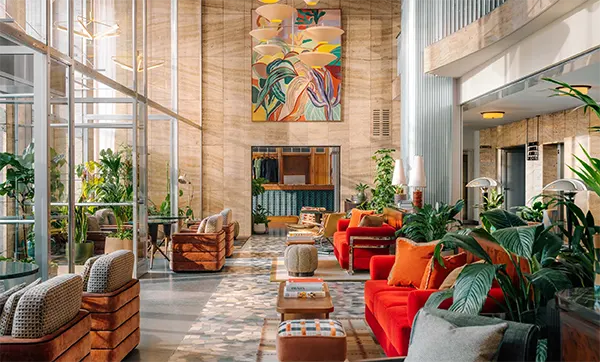
Aunque los interiores definitivos no se habían mostrado por completo durante la fase previa a la apertura, la información relacionada con el proyecto sugiere que The Hoxton Madrid seguirá la línea de diseño habitual de la marca. Sus establecimientos existentes suelen combinar elementos arquitectónicos restaurados con mobiliario contemporáneo, materiales naturales y gamas cromáticas discretas. Dado el carácter histórico de la plaza de Santa Ana, es probable que la conservación de los elementos estructurales originales siga siendo una parte importante del concepto de diseño.
Se espera que las habitaciones prioricen la funcionalidad por encima de un lujo excesivo. Los hoteles Hoxton anteriores suelen ofrecer distribuciones compactas pero cuidadosamente organizadas, con ropa de cama de calidad, buen aislamiento acústico y espacios de trabajo funcionales. En Madrid, donde numerosos hoteles céntricos ocupan edificios antiguos con limitaciones de espacio, una planificación eficiente de las habitaciones podría convertirse en una de las principales ventajas del establecimiento.
Las zonas públicas probablemente desempeñarán un papel más destacado que las instalaciones hoteleras tradicionales. La marca The Hoxton suele utilizar vestíbulos de concepto abierto, áreas comunes con asientos y cafeterías integradas para fomentar la interacción entre los huéspedes y los residentes locales. Este enfoque ha demostrado ser comercialmente eficaz en ciudades donde los visitantes prefieren cada vez más hoteles con ambientes sociales activos en lugar de servicios centrados únicamente en el alojamiento.
Propuestas gastronómicas y expectativas sobre la azotea
Se espera que la oferta de restauración y bebidas se convierta en una parte fundamental de la identidad de The Hoxton Madrid. La plaza de Santa Ana ya alberga algunas de las terrazas y coctelerías más concurridas de Madrid, por lo que el hotel competirá directamente con establecimientos gastronómicos consolidados desde el día de su apertura. Los observadores del sector prevén que el establecimiento presente al menos un restaurante distintivo centrado en la cocina mediterránea contemporánea.
En los últimos años, las azoteas se han convertido en una de las tendencias más características del sector hotelero madrileño. Los hoteles de toda la ciudad utilizan cada vez más sus terrazas no solo como servicio para los huéspedes, sino también como espacios nocturnos independientes. Debido al elevado perfil turístico de la zona, continúa la especulación sobre si The Hoxton Madrid incluirá un bar en la azotea con vistas al centro histórico.
El abastecimiento local también puede influir en la estrategia culinaria. En toda Europa, los establecimientos de The Hoxton colaboran con frecuencia con chefs regionales, tostadores de café y operadores gastronómicos independientes. En Madrid, las asociaciones con productores españoles de vino y negocios culinarios del barrio podrían ayudar al hotel a diferenciarse de las grandes cadenas internacionales que operan en las proximidades.
Qué pueden esperar los viajeros en 2026
Los visitantes que tengan previsto alojarse en The Hoxton Madrid en 2026 deben esperar precios acordes con el segmento madrileño de hoteles de estilo de vida de gama alta. Los costes de alojamiento en el centro de Madrid han aumentado de forma constante desde la recuperación del turismo internacional tras los años de pandemia, especialmente en los distritos cercanos a Sol y Gran Vía. Se prevé que la demanda estacional durante la primavera, el otoño y los principales eventos culturales influya considerablemente en la disponibilidad de habitaciones.
La apertura también puede contribuir a cambios más amplios en la propia plaza de Santa Ana. Las nuevas inversiones hoteleras internacionales suelen incrementar la actividad comercial en las calles cercanas y atraer restaurantes adicionales, nuevos conceptos comerciales y locales de ocio nocturno. Aunque esto puede reforzar la infraestructura turística, también puede intensificar el debate sobre el aumento de los costes inmobiliarios y la creciente concentración de visitantes de corta duración en el centro de Madrid.
Para los viajeros, sin embargo, la ubicación sigue siendo una de las principales ventajas. Los huéspedes estarán a poca distancia a pie de importantes lugares de interés, como el Museo del Prado, el Museo Thyssen-Bornemisza, el Palacio Real y el parque del Retiro. El distrito también ofrece acceso directo a la cultura madrileña de cenas tardías, lo que lo hace especialmente atractivo para quienes desean combinar visitas turísticas con gastronomía local y entretenimiento nocturno.
A qué tipo de viajeros probablemente atraerá el hotel
Se espera que The Hoxton Madrid atraiga a un público internacional amplio, aunque determinados perfiles de viajeros parecen especialmente relevantes. Los trabajadores a distancia y los profesionales digitales prefieren cada vez más hoteles céntricos con espacios comunes informales y una conexión fiable a internet. La reputación que The Hoxton ya posee en este segmento puede ayudar al establecimiento a mantener una ocupación estable durante todo el año.
Las parejas y los visitantes que realizan escapadas breves constituyen otro probable grupo objetivo. La plaza de Santa Ana ofrece acceso inmediato a teatros, bares en azoteas, cafés históricos y zonas peatonales, lo que reduce la necesidad de utilizar transporte con frecuencia durante las estancias cortas. Quienes llegan para pasar un fin de semana en la ciudad suelen dar prioridad a la comodidad y al ambiente por encima de las grandes instalaciones propias de los complejos vacacionales.
El establecimiento también puede hacerse popular entre quienes visitan Madrid con frecuencia, ya conocen los principales monumentos de la ciudad y muestran mayor interés por las experiencias de barrio. En lugar de centrarse únicamente en hacer turismo, estos viajeros suelen buscar alojamientos integrados en la vida cotidiana local. Si The Hoxton logra equilibrar los estándares internacionales con el carácter auténtico de Madrid, podría convertirse en una de las aperturas hoteleras más observadas de 2026.